
Luigi Magni
“The Anticlerical”
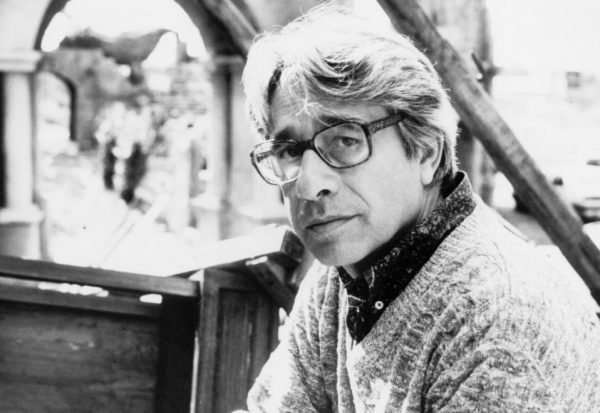
Rome, 1928. Luigi Magni is born in the heart of the Eternal City, the Rome that would become the absolute protagonist of his films. Not the imperial Rome of the epics, nor the modern Rome of sparkling comedies, but the papal Rome of the nineteenth century: a world of cardinals and brigands, of Risorgimento martyrs and irreverent commoners, of sincere faith and corrupt power.
Before becoming a director, Magni is a prolific screenwriter. He writes scripts for Risi, Monicelli and Festa Campanile, honing that ability to blend history and comedy, drama and satire that would become his trademark. He makes his directing debut in 1968 with “Faustina”, but it is with “In the Year of the Lord” (1969) that he finds his true voice.
The film, starring Nino Manfredi and Alberto Sordi, depicts Rome in 1825 through the eyes of a cobbler who helplessly witnesses the death sentence of the Carbonari Targhini and Montanari. It is the beginning of a trilogy that continues with “In the Name of the Pope King” (1977) and ends with “In the Name of the Sovereign People” (1990), a fresco of the Roman Republic of 1849.
“The anticlerical” – as he calls himself with ironic pride – is no enemy of faith, but a relentless critic of the Church’s temporal power. His films are populated by good priests and corrupt cardinals, saints and hypocrites, with a gaze rooted in the Roman satirical tradition, from Belli to Trilussa.
In this documentary, Magni entrusts his personal memories directly to Donatella Baglivo’s camera: the Rome of his childhood, his apprenticeship as a screenwriter, his battles with censorship, his artistic partnership with Nino Manfredi, and his love for a city that no longer exists but lives again in every frame he shot.
Luigi Magni passed away in 2013, making this testimony a precious document on the history of Italian cinema and on twentieth-century Rome.
Credits
Texts, screenplay, editing and direction: Donatella Baglivo
Executive producer: Jonathan Zonin
Director of photography: Elio Bisignani
Camera assistant: Noé Orlando Pernia Penalver
Sound technician: Juan Carlos Sanz Gonzalez
Audio mixing: Maurizio Vultaggio
Digital editing and titles: Maurizio Vultaggio
Original music: Pietro Grignani, Giuseppe Gandolfo
Opening theme music: Pietro Grignani
Film archive manager: Massimo Mastrogiovanni
Historical archive manager: Elena De Meo
Dialogue transcription: Alessandro Ticozzi
Post-production: CIAK 2000 S.r.l.
Music publishing: CIAK 2000
Copyright: 2008